Yo! I’m a supplier of Flat Lapping Compound, and I’ve gotten tons of questions about applying this stuff on vertical surfaces. It’s a bit different from slapping it on a flat one, but don’t sweat it. I’m here to walk you through the whole process step by step. Flat Lapping Compound
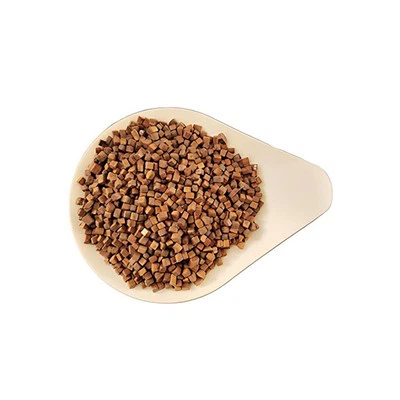
First off, let’s talk about why you might wanna use Flat Lapping Compound on a vertical surface. Maybe you’re working on some industrial equipment where the parts are vertical, or you’re in a custom fabrication project. Whatever the reason, this compound can help you get a super smooth finish, and it’s great for removing small imperfections and getting that precision you need.
Preparing the Surface
Before you even think about applying the compound, you gotta prep the surface. It’s like getting ready for a big party – you wouldn’t just show up in your PJs, right? The surface should be clean as a whistle. Any dirt, grease, or old residue can mess up the lapping process.
I usually start by giving the surface a good wipe-down with a clean, lint – free cloth. If there’s some stubborn grime, I use a mild solvent. Just make sure it’s compatible with the material you’re working on. For example, if it’s a metal surface, you don’t wanna use something that’ll corrode it.
Once it’s clean, check for any big scratches or dents. If there are some, you might need to do some preliminary sanding or machining to get the surface as close to the desired smoothness as possible. This will make the lapping process way more effective.
Choosing the Right Compound
Not all Flat Lapping Compounds are created equal, and picking the right one for your vertical surface job is crucial. You gotta consider a few things here.
The grit size is a biggie. If you’re dealing with a surface that’s pretty rough, you’ll want a coarser grit to start with. This will help remove the larger imperfections quickly. But if the surface is already relatively smooth, a finer grit will be better for that final polish.
Also, think about the material of the surface. Different compounds are formulated to work best with different materials. For instance, if you’re working on a ceramic surface, you’ll need a compound that’s designed to handle the hardness of ceramics.
Applying the Compound
Now, let’s get to the main event – applying the compound on that vertical surface. This is where it gets a bit tricky compared to a flat surface.
I like to use a small, soft brush to apply the compound. It gives me better control, especially on a vertical surface where the compound has a tendency to drip. Start by putting a small amount of the compound on the brush. You don’t wanna go overboard right at the start.
Then, gently brush the compound onto the surface in even strokes. Try to keep the strokes as straight and parallel as possible. This will help ensure an even distribution of the compound. And don’t forget to work in small sections at a time. It’s easier to manage and you’ll get a more consistent finish.
As you’re applying the compound, you might notice that it starts to dry out a bit. That’s normal, especially on a vertical surface where the air circulation can be a bit different. If it dries out too much, just add a tiny bit more compound to the brush and keep going.
Lapping Process
Once the compound is on the surface, it’s time to start lapping. You’ll need a lapping plate or a lapping tool. Make sure it’s in good condition and clean before you start.
Press the lapping tool gently against the surface and start moving it in a circular or back – and – forth motion. The pressure you apply is important. You don’t wanna push too hard, or you might damage the surface. But you also need enough pressure so that the compound can do its job.
Keep an eye on the compound as you’re lapping. If it starts to clump up or if you notice that it’s not spreading evenly, stop and add a bit more compound. You might also need to clean the lapping tool from time to time to remove any debris that’s built up.
The lapping process can take a while, especially if you’re aiming for a really smooth finish. Be patient and keep working at it. You’ll start to see the results as you go along.
Checking the Progress
It’s a good idea to check your progress regularly during the lapping process. You can use a microscope or a surface roughness tester if you have one. But if you don’t, you can also use your fingers to feel the surface. It should start to feel smoother and smoother as you keep going.
If you notice that there are still some rough spots or imperfections, you might need to go back and add a bit more compound to those areas and keep lapping. Don’t be afraid to spend a bit more time on the troublesome spots to get that perfect finish.
Finishing Up
Once you’re happy with the smoothness of the surface, it’s time to clean up. Remove any remaining compound from the surface using a clean cloth and a mild solvent. Make sure you get all the compound out of any crevices or hard – to – reach areas.
After cleaning, give the surface a final inspection. It should be smooth and free of any visible scratches or imperfections. If everything looks good, you’re done!
Tips and Tricks
- Keep it moist: On a vertical surface, the compound can dry out quickly. You can mist the surface with a little bit of water or a lubricant to keep the compound moist and working effectively.
- Use a mask: When you’re lapping, there might be some dust and particles in the air. It’s a good idea to wear a mask to protect yourself from inhaling them.
- Practice makes perfect: If you’re new to using Flat Lapping Compound on a vertical surface, it might take a few tries to get the hang of it. Don’t be too hard on yourself if it doesn’t turn out perfect the first time.
Why Choose Our Flat Lapping Compound
Our Flat Lapping Compound is top – notch. We’ve spent years perfecting the formula to make sure it works great on all kinds of surfaces, including vertical ones. It’s made with high – quality materials that give you a consistent and reliable finish every time.
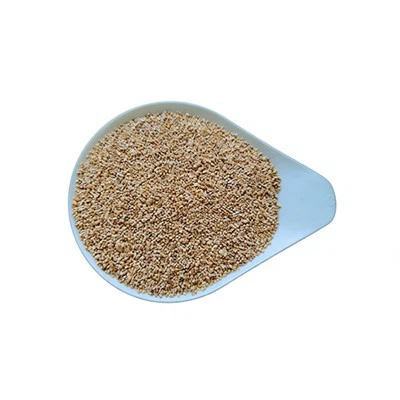
Whether you’re a small – scale hobbyist or a large – scale industrial manufacturer, our compound can meet your needs. We offer a variety of grit sizes and formulations to suit different applications.
Resin Abrasive Media If you’re interested in our Flat Lapping Compound, or if you have any questions about applying it on a vertical surface or any other surface, don’t hesitate to reach out. We’re here to help you get the best results possible. Let’s start a conversation and see how we can work together to make your projects a success!
References
- "Advanced Lapping Techniques" – Industry handbook on lapping and polishing processes.
- "Surface Finishing Guide" – A comprehensive resource on different surface finishing methods.
Dongguan Xindingsheng Intelligent Grinding Technology Co., Ltd.
Dongguan Xindingsheng Intelligent Grinding Technology Co., Ltd. is one of the most reliable flat lapping compound manufacturers and suppliers in China, also supports customized service. Please feel free to wholesale bulk high quality flat lapping compound in stock here from our factory. Contact us for pricelist.
Address: Room 101, Building 1, No. 73 Dahuangmei Road, Dalingshan Town, Dongguan City, Guangdong Province, China
E-mail: cndskj@126.com
WebSite: https://www.xdsfinishing.com/
