What is the sound insulation performance of translucent fiberglass panels?
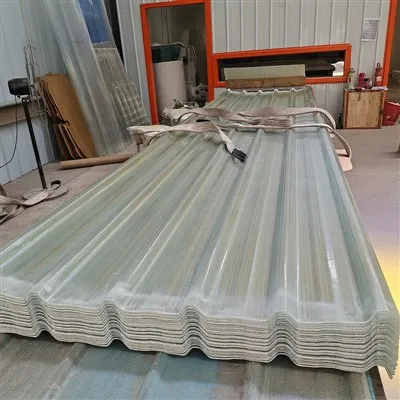
As a supplier of translucent fiberglass panels, I often encounter customers who are curious about the sound insulation performance of our products. Sound insulation is a crucial factor in many applications, whether it’s in residential buildings to reduce noise from the outside, or in industrial settings to minimize the impact of machinery noise. In this blog, I will delve into the sound insulation capabilities of translucent fiberglass panels, exploring the factors that affect it and how it compares to other materials. Translucent Fiberglass Panel
Understanding Sound Insulation
Before we discuss the sound insulation performance of translucent fiberglass panels, it’s important to understand the basic principles of sound insulation. Sound is a mechanical wave that travels through air or other mediums. When sound waves encounter a barrier, such as a wall or a panel, part of the sound energy is reflected, part is absorbed, and part is transmitted through the barrier. The effectiveness of a material in reducing the transmission of sound is measured by its Sound Transmission Class (STC) rating. The higher the STC rating, the better the sound insulation performance of the material.
Factors Affecting the Sound Insulation of Translucent Fiberglass Panels
Panel Thickness
One of the most significant factors affecting the sound insulation performance of translucent fiberglass panels is their thickness. Generally, thicker panels provide better sound insulation. This is because a thicker panel has more mass, which makes it more difficult for sound waves to pass through. For example, a 6mm thick translucent fiberglass panel will have a lower STC rating compared to a 10mm thick panel. As the thickness increases, the panel can absorb and reflect more sound energy, reducing the amount of sound that is transmitted.
Density of the Fiberglass
The density of the fiberglass used in the panels also plays a crucial role. Higher – density fiberglass has more closely packed fibers, which can better impede the passage of sound waves. When sound waves hit a high – density fiberglass panel, the fibers absorb and scatter the sound energy, preventing it from easily passing through the panel. Manufacturers can adjust the density during the production process to optimize the sound insulation performance of the panels.
Panel Structure and Design
The structure and design of the translucent fiberglass panels can also influence their sound insulation capabilities. Some panels are designed with multiple layers or a honeycomb – like structure. These designs can enhance the sound insulation by creating additional barriers for the sound waves. For instance, a panel with a multi – layer construction can reflect and absorb sound at different interfaces between the layers, increasing the overall sound reduction.
Measuring the Sound Insulation Performance
To accurately measure the sound insulation performance of translucent fiberglass panels, standardized tests are conducted. These tests typically involve placing the panel in a test chamber and generating a range of sound frequencies on one side of the panel. Microphones on the other side of the panel measure the amount of sound that is transmitted through. The results are then used to calculate the STC rating of the panel.
In real – world applications, the actual sound insulation performance may vary depending on how the panels are installed. A proper installation, with tight seals and minimal gaps, can significantly improve the sound insulation. For example, if the panels are used in a partition wall, ensuring that the edges are sealed with appropriate acoustic sealants can prevent sound from leaking through the joints.
Comparing Translucent Fiberglass Panels with Other Materials
Compared to Traditional Glass
Translucent fiberglass panels generally offer better sound insulation than traditional glass. Glass is a rigid material, and sound waves can easily pass through it. In contrast, the fibrous structure of fiberglass panels allows them to absorb and scatter sound more effectively. For example, a single – pane glass window may have an STC rating of around 25 – 30, while a well – designed translucent fiberglass panel can achieve an STC rating of 35 or higher.
Compared to Drywall
Drywall is a common material used for interior partitions. While drywall has decent sound insulation properties, translucent fiberglass panels can be a better choice in certain situations. Fiberglass panels are lightweight and can be more easily installed in some applications. Additionally, their translucent nature allows for the passage of natural light, which is beneficial in spaces where lighting is a concern. In terms of sound insulation, depending on the thickness and design, translucent fiberglass panels can have comparable or even better STC ratings than drywall.
Applications of Translucent Fiberglass Panels Based on Sound Insulation
Residential Buildings
In residential settings, translucent fiberglass panels can be used in balcony enclosures or sunrooms. They can reduce the noise from the street or neighboring houses, creating a more peaceful living environment. Their ability to let in natural light also adds to the aesthetic appeal of these spaces.
Industrial Buildings
Industrial facilities often have high – noise machinery. Translucent fiberglass panels can be used to create sound – proof partitions or enclosures around the machinery. This not only protects the workers from excessive noise but also prevents the noise from spreading to other areas of the factory.
Commercial Buildings
In commercial buildings such as offices or shopping malls, translucent fiberglass panels can be used in interior partitions. They can help to separate different areas while providing a degree of sound privacy. At the same time, the natural light passing through the panels can create a more pleasant and energy – efficient working or shopping environment.
Conclusion
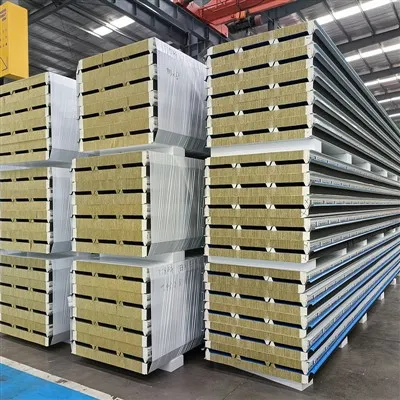
In conclusion, translucent fiberglass panels have a commendable sound insulation performance, which is influenced by factors such as panel thickness, fiberglass density, and panel structure. They offer several advantages over traditional materials like glass and drywall, especially in terms of a combination of sound insulation, translucency, and ease of installation.
Translucent Fiberglass Panel If you are in the market for a material that can provide good sound insulation while also allowing natural light to pass through, our translucent fiberglass panels could be the perfect solution for your project. Whether you are building a new residential home, an industrial facility, or a commercial space, our panels can meet your requirements. We are committed to providing high – quality products and excellent customer service. If you are interested in learning more about our translucent fiberglass panels or would like to discuss a potential purchase, please feel free to reach out to us. Our team of experts is ready to assist you in finding the best solution for your specific needs.
References
- ASTM E90 – Standard Test Method for Laboratory Measurement of Airborne Sound Transmission Loss of Building Partitions and Elements.
- BS EN ISO 10140 – Acoustics – Laboratory measurement of sound insulation of building elements.
Handan Donghong Fiberglass & Color Steel Manufacturing Co., Ltd.
Handan Donghong Fiberglass & Color Steel Manufacturing Co., Ltd. is one of the most professional translucent fiberglass panel manufacturers and suppliers in China, featured by quality products and good price. Please rest assured to wholesale durable translucent fiberglass panel made in China here and get quotation from our factory. Customized orders are welcome.
Address: South side of the road, 2,000 meters west of the intersection of Nanhuan Road and Airport Road, Hanshan District, Handan City.
E-mail: leo@dhpcfrp.com
WebSite: https://www.dhfrpsheet.com/
