As a supplier of screw pumps, I often receive inquiries from customers about the pump’s capabilities, especially when it comes to transporting solids – containing fluids. This is a crucial question as many industrial processes involve moving fluids that are not entirely pure and may have solid particles suspended within them. In this blog, I will delve into the details of whether a screw pump can be used for transporting solids – containing fluids, exploring its advantages, limitations, and key considerations. Screw Pump
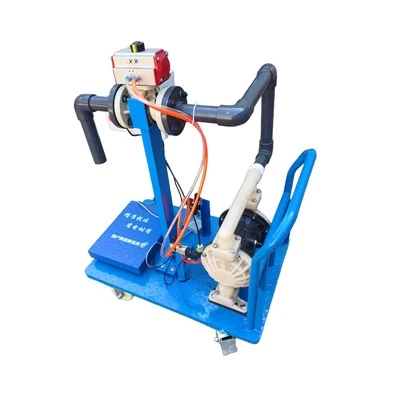
How Screw Pumps Work
Before discussing their suitability for solids – containing fluids, it’s essential to understand how screw pumps operate. A screw pump is a type of positive displacement pump that uses one or more screws to move fluid. The screws intermesh and rotate, creating chambers that trap the fluid and move it axially from the suction end to the discharge end. This design provides a smooth, non – pulsating flow, which is beneficial for many applications.
Advantages of Using Screw Pumps for Solids – Containing Fluids
Gentle Handling of Solids
One of the significant advantages of screw pumps is their ability to handle solids gently. Unlike some other types of pumps that may subject the fluid and solids to high – shear forces, screw pumps move the fluid and solids through the pump in a relatively gentle manner. This is particularly important when dealing with delicate solids that could be damaged by excessive agitation or shear. For example, in the food and beverage industry, where whole fruits or vegetables may be transported in a liquid medium, a screw pump can convey the product without causing significant damage.
High Efficiency
Screw pumps offer high efficiency even when transporting fluids with solids. Their positive displacement design ensures that a consistent amount of fluid is moved with each rotation of the screws. This efficiency can lead to cost savings in terms of energy consumption over the long run, especially in continuous – flow applications.
Self – Priming
Many screw pumps are self – priming, which means they can evacuate air from the suction line and start pumping without the need for external priming devices. This is a valuable feature when dealing with solids – containing fluids, as it simplifies the pumping process and reduces the risk of clogging during startup.
Limitations of Using Screw Pumps for Solids – Containing Fluids
Size and Shape of Solids
One of the main limitations of screw pumps is their sensitivity to the size and shape of the solids in the fluid. The clearances between the screws and the pump housing are relatively small, which restricts the size of the solids that can pass through the pump. Large or irregularly shaped solids may get stuck between the screws or damage the pump components. As a general rule, the maximum particle size that a screw pump can handle is typically limited to a fraction of the pump’s internal clearances.
Wear and Tear
The presence of solids in the fluid can cause increased wear and tear on the pump components, especially the screws and the liners. The abrasive nature of the solids can gradually erode the surfaces, leading to reduced pump performance and eventually requiring maintenance or replacement of parts. The rate of wear depends on factors such as the type of solid, its concentration in the fluid, and the hardness of the solid particles.
Key Considerations for Using Screw Pumps with Solids – Containing Fluids
Solid Characteristics
It is crucial to understand the characteristics of the solids in the fluid before selecting a screw pump. Factors such as particle size, shape, hardness, and concentration all play a role in determining the pump’s suitability. For example, if the solids are soft and deformable, a screw pump may be able to handle them more effectively compared to hard and angular particles.
Fluid Viscosity
The viscosity of the fluid also affects the pump’s performance when transporting solids. Higher – viscosity fluids can help to suspend the solids and reduce the likelihood of settling and clogging. However, very high – viscosity fluids may require more power to pump and can also increase the pressure drop across the pump.
Pump Design and Material Selection
For applications involving solids – containing fluids, the design and material selection of the screw pump are critical. Specialized pump designs with larger clearances or self – cleaning mechanisms can help to accommodate larger particles and reduce the risk of clogging. Additionally, using wear – resistant materials for the pump components, such as hardened steel or ceramic coatings, can extend the pump’s service life.
Case Studies
Let’s look at some real – world examples to illustrate the use of screw pumps for transporting solids – containing fluids.
Wastewater Treatment
In a wastewater treatment plant, screw pumps are commonly used to transport sludge, which is a mixture of water and solid organic matter. The gentle handling of the screw pump ensures that the organic solids remain intact, which is important for subsequent treatment processes. The self – priming capability of the pump also simplifies the operation, as the suction line may be exposed to air during maintenance or startup.
Mining Industry
In the mining industry, screw pumps can be used to transport slurries containing minerals and other solid particles. However, due to the high hardness and abrasiveness of the minerals, special attention must be paid to pump design and material selection. For example, pumps with tungsten – carbide – coated screws are often used to withstand the wear caused by the abrasive solids.
Conclusion
In conclusion, screw pumps can be used for transporting solids – containing fluids, but their suitability depends on various factors. They offer several advantages, such as gentle handling of solids, high efficiency, and self – priming capabilities. However, they also have limitations, particularly regarding the size and shape of the solids and the potential for increased wear and tear.
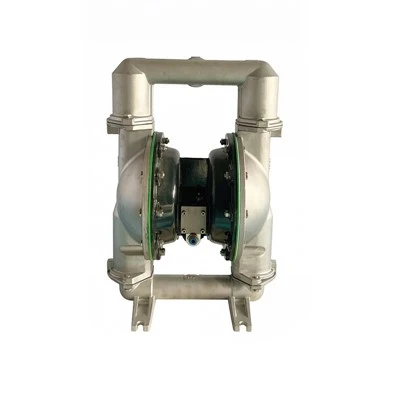
When considering using a screw pump for a solids – containing fluid application, it is essential to carefully evaluate the characteristics of the fluid and the solids, as well as the specific requirements of the process. By selecting the right pump design and materials, and by implementing proper maintenance procedures, screw pumps can provide reliable and efficient performance in a wide range of applications.
Screw Pump If you are interested in learning more about our screw pumps and how they can be tailored to your specific solids – containing fluid transportation needs, we invite you to contact us. Our team of experts is ready to assist you in selecting the most suitable pump solution for your application.
References
- “Pump Handbook” by Igor J. Karassik et al.
- “Positive Displacement Pumps: Types, Applications and Design” by Heinz P. Bloch.
- Industry reports on fluid handling and pumping technologies.
Botou Hengyang Pump & Valve Co., Ltd.
With abundant experience, we are one of the most professional screw pump manufacturers and suppliers in China. Please feel free to buy high standard screw pump made in China here and get pricelist from our factory. All customized pumps are with high quality and competitive price.
Address: No. 159, Road 1, Development Zone, Botou City, Cangzhou, Hebei Province, China
E-mail: bthdbf@163.com
WebSite: https://www.hyoilp.com/
