If you’ve spent any time at outdoor cookouts, you’ve probably caught a whiff of something extra crispy, perfectly seared, or caramelized that makes other grill food taste pedestrian. More often than not, that magic comes from a griddle—our best-selling line of outdoor griddles, designed for anyone from weekend campers to backyard hosts looking to step up their outdoor cooking game. When customers first reach out to us, they’re usually curious: how do I actually use this thing beyond just flipping burgers? I’ve spent years testing griddles in all kinds of conditions, from mountain campsites to suburban backyards, so I’m breaking down the science and practical tips that’ll make your next outdoor griddle cook better, simpler, and way more fun. Griddle
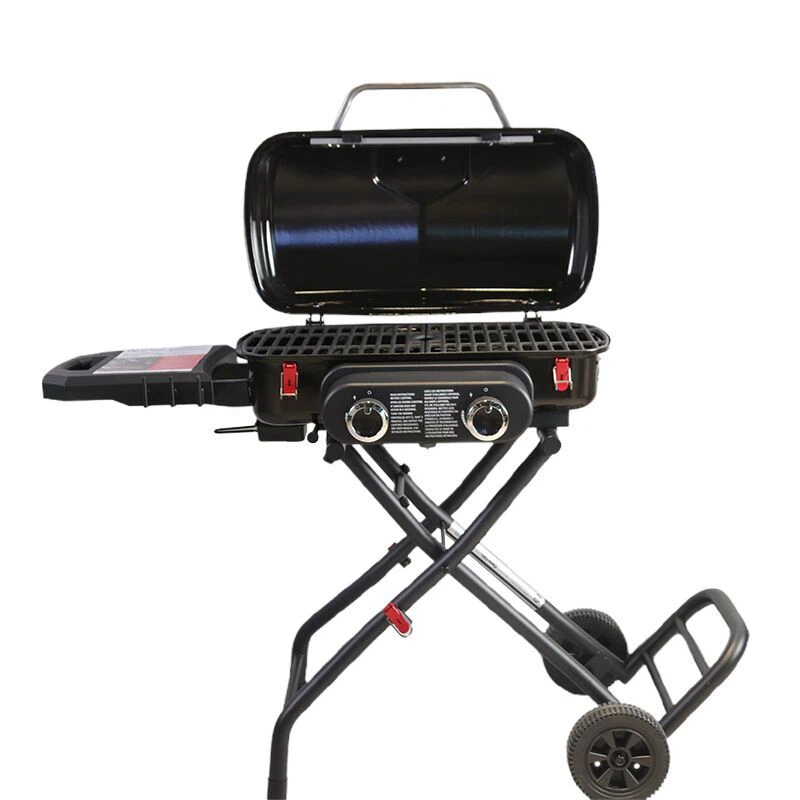
First, let’s start with the basics: what makes a griddle different from a traditional grill? A grill uses grates, so food sits over direct, open flames, with heat bouncing around between the bars and gaps in the metal. A griddle is a flat, solid steel (or cast iron) cooking surface, so heat distributes evenly across the entire area, no hot or cold spots hidden under patties. That even heat is why you can cook a stack of pancakes all the same level of golden, or get a perfect sear on a ribeye without a charred, raw center under it. For our griddle models, we build thick steel plates that hold heat consistently, even when you’re turning multiple foods at once, which is a game-changer for busy cookouts.
Before you even turn on the gas or light the charcoal, you need to prep your griddle correctly. Skipping this step is the #1 mistake new griddle owners make, and it leads to food sticking, uneven cooking, and even rust if you store it damp. First, give the surface a good wipe down with a stiff brass brush—never a steel brush, those bristles can break off and get mixed into food, which is a real safety hazard. For a brand-new griddle, you’ll want to season it before first use, same as you would cast iron. Seasoning is just building up a layer of polymerized oil on the surface that acts as a non-stick barrier. To do it: heat your griddle to medium-high (around 350-400°F), spread a thin layer of high-smoke-point oil—avocado, canola, or grapeseed work best, avoid olive oil, which smokes too low—all over the entire surface, then wipe off every last drop with a paper towel. You want it to look like a faint, almost invisible sheen, not a pool of oil. Repeat this 2-3 times, and you’ve got a durable seasoning that will get better with every cook. For after-use cleanup, wait until the griddle is just warm (not scalding hot) and wipe it down with a damp cloth—no soap, because soap can get trapped in the seasoning and give food a weird taste. A quick scrape with a griddle spatula will get rid of any stuck-on bits, and a light coat of oil before storage will keep rust away.
Next, getting the heat right is make-or-break for griddle cooking. Unlike grills, where you can move food to the edges for indirect heat, a griddle is a flat surface, so you control heat by zoning the area. Most of our griddles have multiple burners, so you can set different sections to different temperatures. Think of it like a cooking “workstation”: one zone for high heat (around 450°F) for searing steaks or grilling veggies that need a crispy char, a medium zone (350°F) for cooking burgers through without burning the outside, and a low zone (200-250°F) for keeping cooked food warm while you finish the rest. I learned this trick the hard way my first year using a griddle: I turned all the burners up to high, tried to cook everything at once, and ended up with blackened hot dogs and raw hamburgers. Once I started zoning, my cookouts went from chaotic to organized. For charcoal griddles, which some of our customers love for that smoky flavor, you can pile charcoal on one side for high heat and leave the other side empty for low heat—just like you would a charcoal grill, but with the flat surface.
Now, let’s talk about what actually to cook, and how to do it well (plus a few tricks you won’t find in generic griddle guides). The griddle’s even heat makes it perfect for foods that are hard to master on a grill. Take pancakes, for example: on a grill, half the pancake would be over the hot grate and burn before the other side cooks, but on a griddle, you can pour a full batch of batter, set your timer for 2 minutes, and every single pancake comes out with that fluffy, golden crust. Pro tip for pancakes: add a little melted butter to the griddle before pouring batter, and if you’re making a big batch, keep finished ones warm in a covered cooler or on the griddle’s low zone instead of stacking them, which makes them soggy.
Searing is another griddle superpower. A 1-inch ribeye needs a hot surface to get that Maillard reaction—that deep, savory, brown crust that makes steak taste amazing. Preheat your high heat zone to 500°F, pat your steak completely dry with paper towels (wet meat won’t sear, it will steam), and place it on the griddle. Don’t move it for 3-4 minutes—let it build that crust, then flip and cook another 3 minutes for medium-rare. No more flipping every 30 seconds like you might on a grill, which keeps heat from building up evenly. We’ve had customers tell us their ribeyes taste better on our griddle than in a steakhouse, and that’s exactly why: the flat surface transfers heat directly to the entire bottom of the steak, not just the spots that touch the grill grates.
Vegetables get a huge upgrade on a griddle too. Grilled veggies can get stuck in grates, or the outside burns while the inside stays crisp-tender unevenly. On a griddle, you can toss zucchini, bell peppers, mushrooms, and onions in a little oil, spread them in a single layer on the medium zone, and stir every 2 minutes for 8-10 minutes. For a fun twist, add sliced pineapple to the high heat zone—caramelized pineapple is the perfect topping for burgers or chicken, and it only takes 1-2 minutes per side. If you’re making loaded nachos or a campfire-style taco bar, the griddle works great for cooking ground meat for tacos, too: crumble it on the medium zone, season with taco spice, and it cooks evenly in a thick layer so you don’t have to stir it constantly.
One of the most underrated griddle tricks is “smoking” foods. If you want that smoky grill flavor without standing over a charcoal grill, you can add wood chips to your griddle’s heat zone. Soak apple or hickory wood chips in water for 30 minutes, then put them in a metal tray on the low heat zone. Close the griddle’s lid (if it has one) and let the smoke build up for 5 minutes before adding your food. This works great for fish, whole chickens, or even baked potatoes—you get that authentic smoky taste, and you don’t have to deal with the hassle of a full charcoal setup.
Now, let’s get to common mistakes we see all the time from people who switch to griddles from grills. First, overcrowding the surface. It’s tempting to cook every single item at once, but if you pile patties, veggies, and pancakes all on the griddle, you’ll drop the temperature too much, and food will steam instead of sear. The rule of thumb is: leave 1 inch of space between every piece of food. If your griddle is full, cook in batches. Second, not wiping the surface between uses. If you cook bacon first, leave all the grease on the griddle, then cook pancakes, you’ll get bacon-flavored pancakes (which some people love, but most don’t). Wipe the surface with a paper towel or clean cloth between different food types to cross-contaminate flavors. Third, ignoring the griddle’s edge. Most griddles have a low lip around the sides, which is actually a feature, not a design flaw. You can use that to hold melted butter for basting, or to collect grease so it doesn’t pool all over the cooking surface. We built our griddles with deep side lips specifically for this—no more grease running onto your patio or into the fire.
If you’re new to outdoor griddling, start small. You don’t need a 36-inch commercial model for your first cook. Our compact 2-burner griddle is perfect for small backyards or camping trips—light enough to carry to a site, but big enough for a family of 4. For larger groups, our 4-burner models have enough space for 12 burgers and a stack of pancakes at the same time, so you never have to rush to cook for everyone. We design all our griddles with portability, durability, and ease of use in mind, because we know outdoor cooking is about spending time with people, not fighting with your equipment.
At the end of the day, griddle cooking is less about strict rules and more about experimenting. Try making s’mores on the griddle—melt the chocolate and toast the marshmallow at the same time for a gooey, perfect s’more. Or make a big batch of loaded hash browns for breakfast, with bacon, cheese, and onions all cooked to crispy perfection. The best part is, once you master the basics, you can adapt to any meal, any crowd, any outdoor space.
If you’re ready to upgrade your outdoor cooking and try a griddle that’s built to last, our team is here to help. Whether you’re a hobbyist looking for a small model for weekend camping, a homeowner hosting weekly cookouts, or a business needing commercial-grade units for events, we can walk you through sizing, features, and customization to fit your needs. We’ve tested every griddle we sell in real outdoor conditions, so you know you’re getting a product that works as hard as you do when you’re cooking for others.
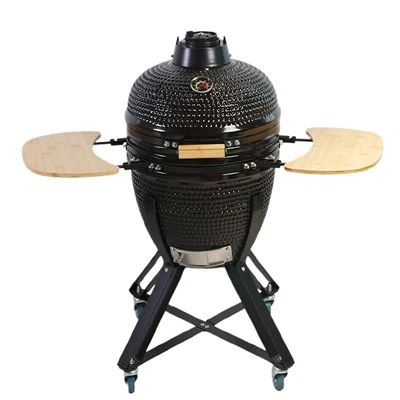
Kamado Reference
Griddle Safety and Best Practices, National Fire Protection Association, 2022
Cast Iron Seasoning and Maintenance Tips, America’s Test Kitchen, 2021
Outdoor Cooking Heat Zoning Guidelines, Culinary Institute of America, 2020
Huzhou Blue Carp Co., Ltd.
With abundant experience, we are one of the most professional griddle manufacturers in China. Please rest assured to wholesale cheap griddle for sale here from our factory. If you have any enquiry about custom service, please feel free to email us.
Address: Longxi Subdistrict, Huzhou South Taihu New Area, Huzhou City, Zhejiang Province, China
E-mail: tonycheung@bluecarpbbq.com
WebSite: https://www.bluecarpbbq.com/
