Yo, let’s cut to the chase—if you’re here, you’re probably scrolling for real, actionable intel on investing in Gongbi national style gifts, and not some generic blog post full of jargon that sounds like it was written for a corporate board meeting. Full disclosure: I’m the guy running the Gongbi workshop supply side, the one who’s been printing, painting, and hooking up retail buyers, event planners, and brand partners with high-end Gongbi gifts for 7 straight years. This isn’t hype—it’s stuff I’ve tested, messed up, and mastered along the way. Gongbi National Style Gift
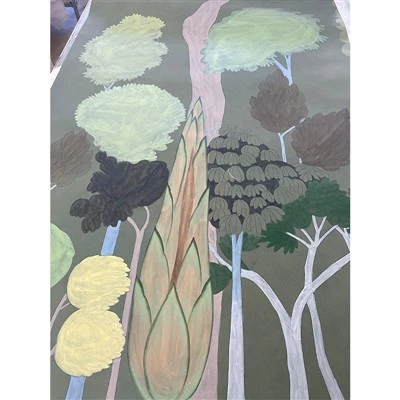
First, let’s make sure we’re on the same page about what Gongbi gifts actually are, because way too many folks mix this up with generic Chinese-style art. Gongbi isn’t just “pretty brush paintings”—it’s that meticulous, line-heavy, hyper-detailed traditional Chinese painting style, right? Think delicate peonies with layered petals, ancient scholars tending orchids, bamboo shoots with every vein sharp enough to count. When turned into gifts? It’s not just a print on a mug—these are hand-finished, culturally rooted pieces that hit way different than mass-produced swag. And here’s the kicker: post-pandemic, demand for cultural gifts that feel meaningful (not just branded junk) has skyrocketed. A few months back, we got a request from a luxury skincare brand for 500 custom Gongbi tea trays for their VIPs—something that stood out from the usual logoed pens. That’s the kind of opportunity you’re missing if you don’t approach this right.
So how do you actually invest in these? Let’s break it down step by step, no fluff.
First, figure out your “why” before you even look at samples. I see so many buyers skip this, and they end up with a warehouse full of stuff that doesn’t move. Are you a boutique gift shop looking for inventory that’ll stand out from fast fashion junk? An event planner needing wedding favors or corporate conference swag that won’t get tossed after 10 minutes? A brand wanting custom co-branded gifts for clients? Each “why” changes everything. For example, if you’re doing wedding favors, people want small, affordable, cute pieces—like mini Gongbi fan keychains or sticker packs. But if you’re doing corporate client gifts, they want higher quality—think framed mini Gongbi scrolls or hand-painted tea sets. Last year, a corporate event planner came to us wanting 200 gifts for their top clients—they initially asked for cheap $5 keychains, but after we showed them custom hand-painted mini lotus tea cups (priced $35 each), they doubled their order because it was way more memorable. Trust me, starting with your end goal saves you from wasting time and money on the wrong products.
Next, vet your supplier like you’re checking a review for a vacation rental. This is where 90% of new buyers mess up. I’ve had so many people come to me after buying from a random Alibaba seller, only to get prints that look like they were run through a copy machine, or colors that were so off the peonies looked like synthetic plastic. What do you need to ask a supplier? First, do they have in-house Gongbi artists, or are they just a middleman marking up someone else’s work? Middlemen cut corners—they buy bulk prints, stick them on a product, and don’t care about quality. We have 8 full-time Gongbi artists on our team, each with 10+ years experience painting traditional works. When we make a gift, the design is original, not a stock image. Second, ask for sample pieces, not just photos. Anyone can stage a good photo, but a real sample will show you the texture, the line work, how durable the finish is. We send free small samples to serious buyers—no catch, just want you to feel the quality before committing. Third, ask about lead times. Custom Gongbi work isn’t something you can crank out in 2 weeks. Most quality suppliers take 4-6 weeks for custom orders, sometimes longer if they’re doing large runs. I once had a client rush a corporate order in 10 days, and we had to pull a few artists off other projects to make it happen—but that’s the exception, not the rule. If a supplier says they can do a 1,000-piece custom run in a week? Run the other way. It’s not Gongbi—it’s mass-produced junk.
Then, pick the right product types that balance quality, profit, and demand. Let’s be real: you can’t sell a $200 hand-painted scroll at a farmers market. So match product to your customer base. Here’s what’s been selling nonstop for us lately, by category:
-
Low-cost (under $20) for small favors, tourist shops, or bulk giveaways: Mini Gongbi art prints on glossy cardstock, custom sticker sheets with traditional motifs (bamboo, peonies, cranes), and small wooden mini fans with printed Gongbi designs. These are perfect for weddings, music festivals, or student events. We did a run of 10,000 crane stickers for a college library last semester—they sold out in 2 weeks, and the library loved that it tied into their “quiet study” theme of calm traditional art.
-
Mid-range ($20-$100) for boutique shops, corporate swag, or bridal gifts: Hand-painted mini scrolls (5×7 inches) on rice paper, Gongbi-themed tea cups or small tea trays, and silk scarf prints with original Gongbi work. This is our bread and butter. A lot of mid-range buyers go for custom work—like adding a company logo to the corner of a tea tray, or painting a specific motif for a wedding couple. Last year, a bridal shop ordered 150 mini lotus scrolls for their bridesmaids’ gifts, and each got a tiny handwritten note on the back. That’s the kind of personal touch that makes customers come back.
-
High-end (over $100) for luxury brand partnerships or high-end gallery gifts: Large framed original Gongbi paintings, custom hand-painted furniture (like small side tables with bamboo designs), and limited edition Gongbi prints signed by the artist. We partnered with a high-end tea brand last year on a limited run of 50 hand-painted tea sets—each set had a unique peony design, and sold for $350 each to their VIP clients. The brand said it was their best-selling gift line all year.
Pro tip here: Avoid products that cheapen the Gongbi style. I see people doing Gongbi printed phone cases, and while they sell, they’re way less profitable than more unique items. Also, steer clear of products that use synthetic materials—rice paper, silk, and natural wood feel way more high-end and authentic, and customers will pay more for that.
Now, the investment part—this isn’t just buying inventory, it’s building a product that sells. How much should you spend? For first-time buyers, don’t dump your whole budget into one big order. Test the waters with a small bulk order of mid-range products, or a custom run of 100 pieces for your specific event. We’ve had buyers order 50 mini tea cups to test at a local craft fair, and when those sold out in 1 hour, they came back for 500 more. That’s way smarter than dropping $10k on a huge order and hoping it sells. Also, think about markup. Gongbi gifts are unique, so you can mark them up 2-3x what you pay for them. A tea cup that costs you $15 can retail for $45, which is fair for a hand-painted, culturally unique piece. Don’t underprice them—customers will assume they’re cheap if you do.
Wait, let’s talk about cultural authenticity, because that’s non-negotiable for long-term success. A lot of suppliers take Gongbi motifs and twist them up—like painting a peony with neon colors, or mixing Gongbi with modern styles so much it doesn’t feel traditional. That turns off customers who actually care about cultural gifts. We make sure all our designs are rooted in traditional Gongbi rules—we only work with artists who know the old techniques, like using ink sticks and natural pigments, not just digital printing. If a supplier can’t explain the difference between Gongbi and Xieyi (the freehand painting style), that’s a red flag. Buyers are getting savvier—they can tell when a piece is real, and they’ll pay more for it.
Another big thing: branding and storytelling. Customers don’t just buy a Gongbi gift—they buy the story behind it. When you’re selling these, don’t just say “it’s a pretty fan.” Say “this fan features a traditional Gongbi painting of peonies, a symbol of prosperity in Chinese culture, hand-painted by a 15-year veteran Gongbi artist.” That’s way more compelling. We help our buyers with marketing assets—photos of our artists working, little cards to insert into gift boxes explaining the motif, and social media captions that highlight the culture. Last quarter, a boutique gift shop we work with posted a Reel of their customers unboxing our Gongbi tea trays, and it got 12k views, leading to a 30% jump in sales. Storytelling isn’t extra—it’s part of the product.
Now, common mistakes to avoid, because I’ve seen every single one:
-
Buying too much too fast. I had a new client order 2,000 keychains for a holiday sale, and when they only sold 200, they were stuck with $8k in unsold inventory. Test small first, always.
-
Skimping on quality to save money. A $3 print will look cheap, no matter how you package it. Spend a little more on the actual product, and you’ll sell more, and customers will trust you.
-
Ignoring lead times. If you need gifts for a holiday in 2 months, don’t wait to order. Most quality suppliers need 4-6 weeks, so plan ahead. We always tell our clients to order 8 weeks before a big event to avoid rush fees, which can add 20% to the cost.
-
Forgetting to ask about minimum order quantities (MOQs). Some suppliers have MOQs of 500, which is too much for a small boutique. We have flexible MOQs—we do runs as small as 50 pieces for new buyers, which is perfect for testing. That’s the kind of flexibility you want.
Okay, so putting this all together: investing in Gongbi national style gifts is way more than a trend—it’s tapping into a market of customers who want meaningful, culturally rooted products that stand out from generic junk. The key is to start small, know your end goal, vet your supplier hard, pick the right products, and lean into the storytelling.
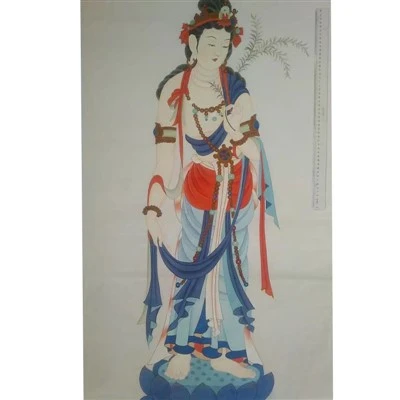
If you’re ready to stop scrolling and start making something happen, whether you’re a boutique owner, event planner, or brand looking for custom gifts, reach out to get samples, talk about your needs, and figure out a plan that works for you. We don’t do pushy sales—just real talk and quality Gongbi gifts that sell. Let’s connect and make this work.
Hand-drawn Figure Drawings References:
- China National Arts and Crafts Association. (2023). Global Demand for Traditional Cultural Gifts: Market Trends and Growth Projections.
- Li, M. (2022). The Rise of Gongbi National Style Products in Global Retail: Consumer Preferences and Brand Opportunities. Journal of Traditional Chinese Art and Commerce.
- International Gift Association. (2024). Premium Gift Segment Report: Culturally Rooted Products and Their Profit Margins.
Rudong Zhimu Hand Painting Studio
As one of the most professional gongbi national style gift manufacturers and suppliers in China, we also support customized service. Please rest assured to wholesale high-end gongbi national style gift in stock here from our factory. If you have any enquiry about quotation, please feel free to email us.
Address: No.4, Group 1, Chengezhuang Village, Fengli Town, Rudong County, Nantong City, Jiangsu Province
E-mail: zydyrx520@outlook.com
WebSite: https://www.zhimupainting.com/
