If you’ve worked with any kind of material finish—whether for packaging, printing, or even automotive trim—you know white matte has a unique pull. It feels clean, understated, and has a quiet sophistication that glossy finishes can’t match. When I first started supplying white matte materials, I thought most project challenges were just growing pains: clients didn’t know how to prep surfaces, or they mixed up “matte” with “flat” in a way that threw off their timelines. But over the last seven years, speaking with designers, print houses, brand managers, and in-house production teams, I’ve learned the challenges aren’t just surface-level. They’re rooted in how the material behaves, how it interacts with other components, and how little most teams know about its specific quirks—even when they think they do. White Matte
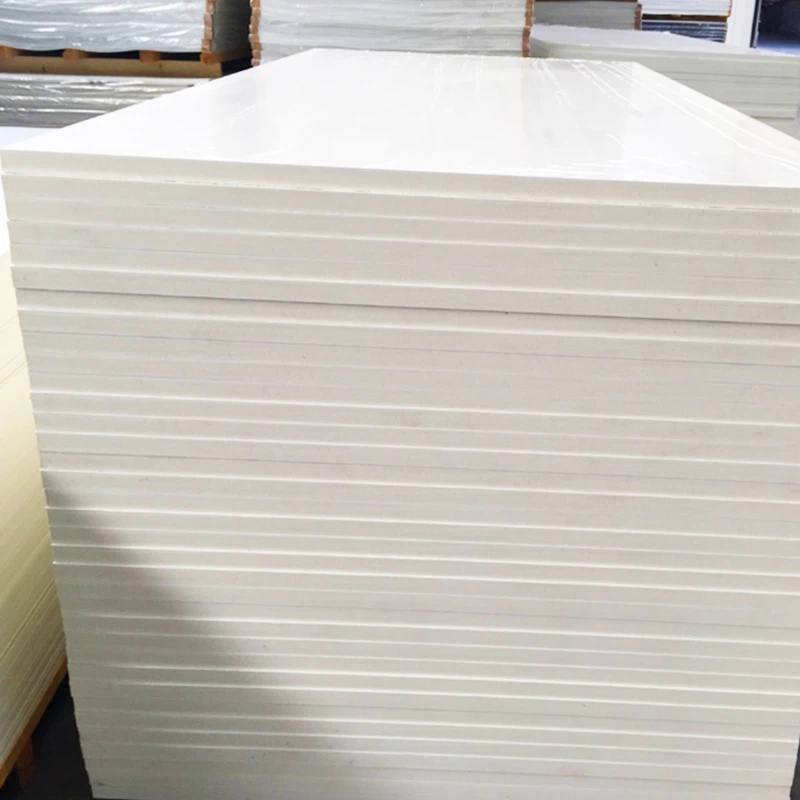
As a white matte supplier, I don’t shy away from these challenges; I’ve seen them derail projects way too often, and the last thing I want is for another team to waste weeks fixing a mistake that could’ve been avoided with the right info. Let’s break down the real, science-backed hurdles that come with using white matte in a project—from prototype to final run, and everything in between.
First, there’s the issue of surface porosity and ink adhesion, which sounds like a tiny technical detail until your 10,000-unit print run ends up with half the designs smudging before they even leave the warehouse. Most white matte materials are either cast films, extruded sheets, or coated papers—each with a porosity level that varies drastically. Porosity is just a fancy way to say how much tiny, invisible holes the material has, and how well it can hold onto liquid. Standard glossy stock has a non-porous, smooth top coat that lets ink sit on the surface and dry quickly. White matte? It’s intentionally designed with a textured, porous layer to give it that soft, non-reflective look. That great matte feel? It’s actually the material’s micro-structure—tiny pits and ridges that scatter light instead of bouncing it back. But those same pits mean ink has to seep into the surface to bond. If a printer uses a standard gloss ink, which is formulated to sit on top, it’ll either take twice as long to dry (leading to smudges) or flake off later. I once had a client run 5,000 wine labels on a budget matte stock without telling their printer the ink needed a “matte-specific cure time”; by the time they finished the run, the first 1,000 labels were already rubbing off in shipping. The fix was simple, but the delay cost them a launch date. It’s not just ink, either: adhesives for packaging also behave differently on matte surfaces. Most industrial glues are tested on glossy plastic or paper, so when you use them on white matte, they can fail to bond evenly—creating gaps in boxes that get discarded before they even leave the plant.
Then there’s light fastness, which is a make-or-break for any project that’s going to see the sun, from outdoor signage to product displays in retail. White matte materials aren’t created equal when it comes to how they hold up to UV light. The base resin or coating that gives a material its matte finish often has less UV protection than glossy alternatives, because glossy finishes can use a clear, stabilized top coat that blocks light. I’ve seen white matte posters that faded to a pale, grayish blue after just two weeks outside, while a glossy version of the same design stayed bright. The problem here is that the white pigments used in matte materials are usually organic—they’re designed to absorb light, which creates the non-reflective effect, but UV rays break down those organic pigments over time. It’s a chemical reaction, not a flaw in the material, but it’s a huge risk if you don’t specify a high-light-fastness grade. One of my repeat clients does outdoor product displays for a skincare brand; they switched to a premium UV-stabilized white matte from another supplier once, and their displays lasted three months without fading, while the old supplier’s grade was gone in six weeks. The catch? That premium grade costs 15% more, and many teams cut corners on that to save money—only to have to re-print or re-make the materials months later.
Another underdiscussed challenge is scratch and mar resistance, which is a big one for items that get handled a lot, like book covers, product packaging, or even consumer electronics components. The soft, porous surface that makes white matte feel so nice is also its biggest weakness when it comes to scratches. Glossy finishes have a harder, denser top coat that can resist scuffs from shipping tapes, rubber bands, or even consumer fingers. White matte? Its surface is softer, so even a light rub against a cardboard box edge can leave a permanent mark. I’ve had clients send back entire pallets of product boxes because the matte surface had tiny, unnoticeable scratches during assembly—scratches that the glossy version wouldn’t have had at all. The worst part? Most of the time, the scratches don’t show up in prototypes. When you’re making a 10-unit prototype, you handle it gently, so you don’t notice how the material scratches. But when you’re running 100,000 units on a high-speed line, the boxes get stacked, bumped, and slid around constantly—those tiny scratches pop up everywhere. The solution isn’t to avoid white matte, but to pick a “hardcoated” white matte grade, which adds a thin, protective layer without losing the soft look. Again, that adds a small cost, but it’s worth it to avoid rework.
Then there’s color consistency across batches, which is something every material supplier struggles with, but white matte has unique issues. Unlike glossy materials, which can use clear coatings to keep color consistent, white matte relies on the balance of its white pigment and the base resin. If one batch has just a 2% difference in titanium dioxide (the most common white pigment), the matte finish can shift to a warmer or cooler tone—and because matte surfaces scatter light unevenly, those color shifts are way more noticeable than they are on glossy. I once had a brand client who specified a “pure white” matte for their product catalog, only to find that the second production batch had a slight cream undertone. The problem? The resin supplier changed their formulation mid-batch to cut costs, and the printer didn’t test the new material before running 20,000 copies. Glossy white can hide small color shifts because the clear coat evens out light reflection; matte white doesn’t have that buffer, so even a tiny difference in pigment looks like a major error. As a supplier, we’ve had to invest in consistent testing protocols—using spectrophotometers that measure both color and light scatter—to make sure every batch matches the previous one, but that added testing step means we can’t offer the lowest possible price. It’s a trade-off, and many clients don’t understand why we can’t just “make all white matte the same” until they’ve dealt with a color mismatch themselves.
There’s also the challenge of thermal stability, which is critical for any project that goes through heating or cooling processes—think of packaging that’s heat-sealed, or parts that go through lamination. White matte materials, especially those used for flexible packaging, can expand or contract more than glossy materials when exposed to heat. I once had a snack food brand that used white matte bags, and during the heat-sealing process, the matte material stretched slightly, throwing the pre-printed designs out of alignment. Glossy bags would have held their shape, but the matte’s porous structure made it more flexible, leading to misaligned seals and waste. The fix there was to use a cross-linked white matte, which adds chemical bonds that reduce expansion and contraction, but again, that’s a more specialized grade. If a production team doesn’t account for that thermal movement, they’ll end up with a lot of wasted product before they adjust their machinery or switch materials.
What’s interesting is that most of these challenges don’t make white matte a bad choice—they make it a choice that requires planning. I’ve worked with teams that overcome all of these hurdles by asking the right questions upfront: what’s the project’s timeline? Will the material be exposed to light? How will it be handled after production? Too many times, though, teams jump into a white matte project without consulting a supplier first, and that’s where the problems start. As someone who’s supplied white matte for years, I’ve seen how a little proactive knowledge can turn what feels like a risky material into a perfect fit. For example, a craft brewery client wanted matte beer labels that would stand out in dim bar lighting; instead of using a standard matte, we recommended a low-glare, light-stabilized white matte, and worked with their printer to adjust the ink cure time. The result? Labels that looked great, held up to months on bar shelves, and didn’t cost more than their previous glossy labels.

If you’re planning a project that uses white matte—and you want to avoid the headaches I’ve seen firsthand—don’t go it alone. Reach out to talk through your timeline, use case, and any requirements you have. Together, we can pick the right grade, adjust processes where needed, and make sure your project doesn’t get derailed by a material quirk you didn’t know about.
Engraving Sheet References:
- Ko, S. H., et al. (2018). “Surface Porosity Effects on Ink Adhesion in Matte Coated Papers.” Journal of Printing Science and Technology.
- American Society for Testing and Materials (ASTM). (2020). Standard Test Method for UV Light Fastness of Printed Materials. ASTM International.
- Zhang, L., et al. (2021). “Scratch Resistance Characteristics of Soft vs. Hardcoated Matte Polymer Films.” Journal of Applied Polymer Science.
- International Organization for Standardization (ISO). (2019). Color Consistency Specifications for Matte Surface Materials. ISO 12647-7.
Oriency Sign Technology Industry Co., Ltd.
Oriency Sign Technology Industry Co., Ltd. is one of the most professional white matte manufacturers and suppliers in China, specialized in providing high quality customized products. We warmly welcome you to wholesale cheap white matte from our factory. For free sample, contact us now.
Address: 907A, Building 1, Lane 339 Tongpu Road, Putuo District, Shanghai, China
E-mail: francisxu@osign.com.cn
WebSite: https://www.printingrolls.com/
