When I first stepped into the paper product supply business five years ago, I knew the industry’s story ran far deeper than just pulp and mills. Working directly with brands, retailers, and even small local businesses across North America, I’ve watched one truth play out daily: paper products aren’t just consumer goods—they’re the quiet driver that shapes every part of the paper industry, from how mills operate to what innovations take root in a warehouse. Paper Product

Let’s start with basics most people miss. The paper industry doesn’t produce random goods; every roll of paper towels, every pack of notebook paper, every box of cereal cartons that lands on a grocery shelf is tied directly to demand from suppliers like me. When a café orders 5,000 compostable takeout containers, that’s a signal to mills to adjust their pulp mixes—pulling more unbleached bamboo instead of softwood, because that’s the raw material that makes those containers sturdy and eco-friendly. When a university suddenly needs 20,000 recycled composition notebooks for a back-to-school push, mills shift production lines to prioritize post-consumer waste pulp, cutting down on virgin wood fiber for a few months. It’s a two-way street, but one where paper products hold the power to turn industry plans into action.
For a supplier, that means staying ahead of consumer needs isn’t just good business—it’s how you keep the industry moving. A few years back, we started noticing a quiet shift: clients stopped asking for basic white paper plates and started reaching for ones made from 100% recycled fiber, certified compostable, or coated with water-based films instead of plastic. We didn’t just adjust what we stocked; we passed that demand back to our mill partners. Suddenly, mills that had been focused almost exclusively on packaging for big-box stores started investing in new equipment to process post-consumer waste, because they saw a steady, growing order book from suppliers like us. That’s the kind of impact that doesn’t make the evening news, but it transforms the paper industry from top to bottom.
But it’s not just about volume or what customers are buying. The type of paper products we supply shapes the industry’s environmental footprint, too. A lot of people talk about the paper industry as inherently bad for forests, but that’s an oversimplification. When we supply products made from sustainably harvested wood fiber (FSC-certified, to be specific), and when those products are designed to be recyclable or compostable, we’re pushing the industry toward more responsible practices. Last year, one of our regular clients, a national grocery chain, decided to switch all their produce bags from plastic to paper. We sourced bags made from 100% recycled paper, and that order alone led three small mills to expand their recycling processing lines, creating local jobs and cutting down on virgin fiber use. That’s a ripple effect: every paper product I help deliver doesn’t just end up in a customer’s hands—it drives the industry to be more resourceful, more community-focused, and more aligned with what people actually want.
Of course, there are challenges that come with that role. The paper industry has to balance a lot of competing demands: keeping production efficient for big orders, adapting to fast-changing consumer preferences, and meeting strict environmental regulations. As a supplier, I’m right in the middle of that balancing act. A few months ago, a big corporate client came to us asking for a custom printed paper lunch kit for their employee wellness program. They wanted a design that was eye-catching, eco-friendly, and cheap enough for 50,000 units. We worked with a small mill to adjust the print process to use soy-based inks instead of petroleum-based ones, and we negotiated a bulk order that kept costs reasonable. That experience showed me how paper products can drive innovation: the mill had been testing soy inks for years, but only when a consistent, large order came in did they fully roll that innovation out. Now, three other suppliers are using that same soy ink process, and it’s becoming a standard part of the industry’s printing practices.
Another underdiscussed point: paper products support the industry’s small and mid-sized players, not just the big mills you see in rural communities. A lot of people think the paper industry is dominated by a handful of giant corporations, but that’s not the whole story. Mid-sized mills, even small family-run operations, rely on suppliers like us to keep their lines running. Last year, a local mill in Michigan that specializes in specialty paper (like the thick cardstock used for wedding invitations and art prints) was struggling to fill orders because they couldn’t source enough consistent, high-quality fiber. We connected them to a network of small-scale farmers who harvested sustainable hardwood, and we adjusted our ordering process to place smaller, more frequent orders that fit their production capacity. That mill is now 20% bigger than it was two years ago, and they’ve hired 12 local workers. Without the demand from paper product suppliers like me, that kind of small business growth in the paper industry would never happen.
Let’s also talk about how digitalization has changed this dynamic. Most people assume digital files have killed the paper industry, but that’s not what we’re seeing. In fact, demand for specialty paper products—like packaging for e-commerce orders, notebook paper for students and remote workers, and even custom printed paper for home offices—has boomed in the last few years. As a supplier, we’ve seen a 35% increase in orders for e-commerce shipping boxes since 2020, and that’s led mills to invest in stronger, more lightweight cardboard that’s better for shipping and uses less material. It’s not just a counter to digital; it’s a new space where the paper industry is innovating. For example, a few months ago, we started stocking moisture-resistant paper packaging for online food orders, and that led a mill to develop a new coating that doesn’t use plastic, making the packaging both functional and recyclable. That’s the kind of innovation that only happens when paper product demand pushes the industry to adapt.
Of course, there’s a flip side: paper products can also create strain on the industry when demand is unpredictable. We’ve all seen the news about paper shortages during the pandemic, and that was a direct result of shifts in paper product demand. When offices closed, demand for copy paper plummeted, but demand for toilet paper and paper towels skyrocketed. Mills had to reconfigure their lines almost overnight, and that created delays and price hikes. For suppliers like me, that meant having to communicate clearly with clients, adjust order timelines, and work with mills to balance their production. It taught me that the paper industry’s stability is tied directly to how well suppliers and clients can anticipate changes in paper product demand. That’s why we’ve started working with our clients to create 12-month rolling forecasts, so mills can plan ahead and avoid those kinds of disruptions. It’s a small change, but it’s made a big difference for both our business and the industry.
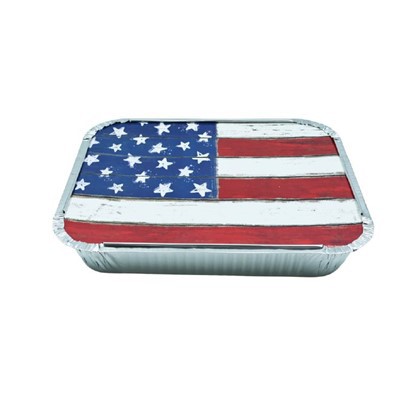
Looking ahead, I believe the future of the paper industry is tied directly to the future of paper products. More and more consumers are asking for products that are eco-friendly, transparent, and locally sourced, and that’s pushing the industry to change in big ways. We’re already seeing mills experiment with hemp and agricultural waste fiber, instead of just wood, and we’re working to make sure those new materials are available to small businesses that want sustainable options. As a paper product supplier, I’m not just selling goods—I’m a link between what consumers want and what the paper industry can deliver. If we prioritize responsible production, sustainable materials, and fair partnerships, the paper industry can thrive while also reducing its environmental impact.
Plastic Storage Products If you’re a brand owner, retailer, or small business looking for reliable, sustainable paper products that support a responsible paper industry, I’m here to help. We work with mills across North America to source high-quality, FSC-certified, and compostable products, and we’re always looking to partner with clients who want to make positive choices for their customers and the planet. Reach out to us to discuss your specific needs, whether that’s bulk packaging, specialty paper, or custom printed products, and let’s build a partnership that works for your business and the industry.
References
- American Forest & Paper Association. (2023). The Impact of Paper Products on U.S. Industry and Forest Sustainability. Retrieved from industry reports via AFPA’s official publications.
- Sustainable Packaging Coalition. (2022). Paper Packaging: Environmental Benefits and Industry Innovations. Accessed via SPC’s annual sustainability review.
- Paper Age Magazine. (2023). Mid-Sized Mills and the Role of Suppliers in Industry Growth. Retrieved from industry analysis published in Paper Age’s monthly issues.
- U.S. Environmental Protection Agency. (2022). Recycling and Composting of Paper Products: Industry Trends and Best Practices. Accessed via EPA’s waste management resources.
CHARMPEAK SDN. BHD.
As one of the leading paper product manufacturers and suppliers in Malaysia, we also support customized service. With abundant experience, we warmly welcome you to buy discount paper product from our factory. If you have any enquiry about quotation, please feel free to email us.
Address: NO 11, LOT 60952No:, KAWASAN PERINDUSTRIAN, LOT 60952, Jalan Wawasan 4/Ku7, Sungai Kapar Indah, 41400 Klang, Selangor, Malaysia
E-mail: sales03@charmpeak-factory.com
WebSite: https://www.charmpeak-factory.com/
