Hey there! I’m part of a medical device processing supplier, and today I wanna chat about how we handle complex geometries in medical device processing. It’s a pretty cool topic, and it’s super important in our field. Medical Device Processing
Understanding Complex Geometries in Medical Devices
First off, let’s get clear on what we mean by complex geometries in medical devices. These are devices with intricate shapes, curves, and features that aren’t your run – of – the – mill designs. Think of things like stents with tiny struts, orthopedic implants with customized contours to fit a patient’s body, or microfluidic chips with complex channels for analyzing biological samples.
These complex geometries are crucial because they often serve very specific functions. For example, a stent needs to have the right shape and flexibility to fit inside a blood vessel and keep it open. An orthopedic implant has to match the exact shape of a bone to ensure a proper fit and long – term stability. And microfluidic chips rely on their precise channel designs to accurately manipulate and analyze fluids.
Challenges in Processing Complex Geometries
Processing these complex geometries is no walk in the park. There are several challenges we face.
One big challenge is precision. We need to be extremely accurate when manufacturing these devices. Even the slightest deviation can affect the device’s performance. For instance, if a stent’s struts are not the right thickness or shape, it might not expand properly in the blood vessel, leading to complications for the patient.
Another challenge is material selection. Different medical devices require different materials, and these materials can behave differently during the processing. Some materials are more brittle, while others are more malleable. For example, titanium is a popular material for orthopedic implants because of its strength and biocompatibility, but it can be difficult to machine due to its high strength and low thermal conductivity.
Cost is also a major factor. Processing complex geometries often requires specialized equipment and techniques, which can be expensive. We have to balance the cost of production with the quality and functionality of the device. If we spend too much on manufacturing, the device might become too expensive for patients or healthcare providers.
Techniques for Handling Complex Geometries
So, how do we tackle these challenges? Well, we use a variety of techniques.
CNC Machining
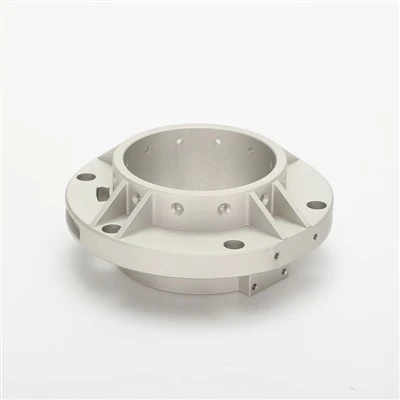
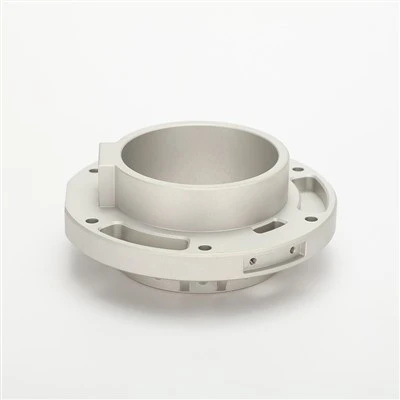
Computer Numerical Control (CNC) machining is one of our go – to methods. It allows us to create precise and complex shapes by using computer – controlled machines. We can program the machine to cut, drill, and mill the material according to the exact specifications of the device. For example, when making an orthopedic implant, we can use CNC machining to create the customized shape that matches the patient’s bone. The advantage of CNC machining is its high precision and repeatability. We can make multiple copies of the same device with very little variation.
3D Printing
3D printing has revolutionized the medical device industry. It’s a great way to handle complex geometries because it can create almost any shape imaginable. With 3D printing, we can build the device layer by layer, using a digital model as a guide. This is especially useful for creating customized devices. For example, we can 3D print a patient – specific hearing aid that fits perfectly in the patient’s ear. The material used in 3D printing can also be carefully selected to meet the device’s requirements. However, 3D printing also has its limitations. The speed of printing can be slow, and the mechanical properties of the printed parts might not be as good as those made by traditional manufacturing methods.
Laser Cutting
Laser cutting is another technique we use. It’s great for cutting through thin materials with high precision. We can use lasers to cut complex shapes in materials like stainless steel or polymers. For example, when making a microfluidic chip, we can use laser cutting to create the channels and features on the chip. Laser cutting is fast and can produce very clean cuts, but it might not be suitable for all materials or very thick parts.
Quality Control in Processing Complex Geometries
Quality control is essential when processing complex geometries. We have a strict quality control system in place to ensure that every device meets the highest standards.
We use a variety of inspection methods. One of the most common methods is coordinate measuring machines (CMM). These machines can measure the dimensions of the device with high accuracy. We can compare the measured dimensions with the design specifications to make sure the device is within the acceptable tolerance range.
We also use non – destructive testing methods, such as ultrasonic testing and X – ray inspection. These methods allow us to check the internal structure of the device without damaging it. For example, we can use ultrasonic testing to detect any cracks or defects in an orthopedic implant.
Collaboration with Designers and Engineers
We work closely with designers and engineers to handle complex geometries effectively. Designers are responsible for creating the initial concept of the medical device, and they need to consider the manufacturing process from the start. We provide them with feedback on what is feasible to manufacture and suggest design changes if necessary.
Engineers, on the other hand, are involved in the technical aspects of the manufacturing process. They help us select the right materials and processing techniques, and they also develop the quality control procedures. By working together, we can ensure that the final product is not only functional but also manufacturable.
The Future of Handling Complex Geometries in Medical Device Processing
The future looks bright for handling complex geometries in medical device processing. New technologies are constantly emerging, which will make it even easier to create complex and customized medical devices.
For example, advances in nanotechnology might allow us to create medical devices with even smaller and more precise features. This could lead to the development of new diagnostic tools and drug delivery systems.
Artificial intelligence (AI) is also likely to play a big role. AI can be used to optimize the manufacturing process, predict potential defects, and improve the quality control system.
Why Choose Our Medical Device Processing Services
If you’re in the market for medical device processing, you might be wondering why you should choose us. Well, here are a few reasons.
First of all, we have a lot of experience in handling complex geometries. We’ve been in the business for a long time, and we’ve worked on a wide range of medical devices. Our team of experts knows how to tackle the challenges that come with complex geometries and can ensure that your device is manufactured to the highest standards.
Secondly, we use the latest technologies and equipment. We’re constantly investing in new machinery and software to improve our manufacturing process. This allows us to offer you the most innovative and cost – effective solutions.
Finally, we’re committed to quality. Our strict quality control system ensures that every device we produce is safe and effective. We also offer excellent customer service, and we’re always available to answer your questions and address your concerns.
CNC Machining If you’re interested in our medical device processing services, we’d love to hear from you. Whether you have a specific project in mind or just want to learn more about what we can do, don’t hesitate to reach out. Let’s start a conversation and see how we can work together to bring your medical device ideas to life.
References
- Smith, J. (2018). Advanced Manufacturing Techniques for Medical Devices. Journal of Medical Manufacturing.
- Johnson, A. (2020). 3D Printing in the Medical Device Industry. Medical Technology Review.
- Brown, C. (2019). Quality Control in Medical Device Processing. International Journal of Medical Quality Assurance.
Zhejiang Hayi Technology Co., Ltd.
With abundant experience, we are one of the most professional medical device processing manufacturers in China. We warmly welcome you to wholesale bulk medical device processing in stock here and get quotation from our factory. All customized products are with high quality and competitive price.
Address: Room 112, 1st Floor, No. 103, Siwangdai, Pingzhai Village, Renhe Subdistrict, Yuhang District, Hangzhou City, Zhejiang Province
E-mail: 18368133797@163.com
WebSite: https://www.zhejianghayi.com/
