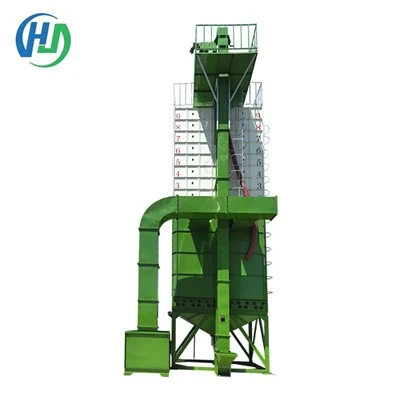
As a long – established supplier in the field of bucket elevators, I’ve had the privilege of witnessing their extensive applications in various industries, from agriculture to mining and everything in between. Bucket elevators are indispensable equipment for vertical transportation of bulk materials, offering high efficiency and reliable performance. However, like any other machinery, they are not without limitations. Bucket Elevator
1. Material Limitations
One of the primary limitations of bucket elevators is related to the type of materials they can handle. Firstly, the moisture content of the material plays a crucial role. If the material is overly wet, it may cause significant issues. For instance, wet materials can stick to the buckets, reducing the elevation capacity. As the buckets fill up, the adhered material adds extra weight, which can strain the drive system and increase energy consumption. In extreme cases, the build – up of wet material on the buckets can even lead to blockages in the elevator chute, causing the entire system to shut down.
Secondly, the abrasiveness of the material can pose a great challenge. Highly abrasive materials such as sand, gravel, or crushed ore can cause rapid wear and tear on the buckets and the conveyor chain. Over time, the buckets will become thinner, and the chain may experience excessive elongation or even breakage. This not only requires frequent replacement of parts, which can be costly, but also leads to unplanned downtime for maintenance.
Moreover, the size and shape of the material matter. Bucket elevators are generally designed to handle particles of a certain size range. If the material includes large chunks, it may jam in the feed or discharge areas. Irregularly – shaped materials can also be difficult to convey, as they may get caught between the buckets or in the elevator housing, hindering the smooth operation of the elevator.
2. Capacity and Speed Limitations
When it comes to capacity, bucket elevators have a pre – determined maximum throughput. Exceeding this capacity can lead to a host of problems. If the feed rate of the material is too high, the buckets may not be able to fully discharge the material at the top of the elevator. This can result in material spillage, which not only causes a loss of product but can also create a safety hazard in the workplace. Additionally, overloading the elevator can increase the stress on the drive system, motor, and other components, potentially leading to premature failure.
The speed of the bucket elevator is also restricted. Increasing the speed beyond the recommended limit can cause the material to be thrown out of the buckets during the discharge process. This not only leads to material loss but also reduces the efficiency of the elevator. On the other hand, if the speed is too slow, the overall throughput of the elevator will decrease, and the production process may be negatively affected.
3. Vertical Height and Incline Limitations
Bucket elevators are designed to operate within a certain range of vertical heights. As the height of the elevator increases, several challenges arise. Firstly, the tension in the conveyor chain or belt increases significantly. This requires a more robust and powerful drive system to maintain the necessary tension and movement. The increased tension also puts more stress on the chain or belt itself, increasing the risk of breakage.
Secondly, the risk of material back – flow becomes more prominent at greater heights. If the material does not discharge properly at the top, it may fall back down through the elevator, reducing the efficiency of the system and potentially causing damage to the buckets and other components.
Regarding the incline, most bucket elevators are designed for vertical or near – vertical operation. Increasing the incline angle can cause the material to slide back down the buckets, making it difficult to convey the material effectively. A steeper incline may also require the buckets to be designed differently, which can be more complex and costly.
4. Maintenance and Operational Limitations
Maintenance is a critical aspect of bucket elevator operation, and it comes with its own set of limitations. Regular maintenance is required to ensure the proper functioning of the elevator, including checking the buckets for wear and tear, lubricating the chain or belt, and inspecting the drive system. However, accessing the components for maintenance can be difficult, especially in large – scale or high – rise bucket elevators. This can lead to longer maintenance times and increased labor costs.
In terms of operation, bucket elevators are sensitive to power outages. A sudden power failure can cause the material in the buckets to fall back down, potentially damaging the equipment and causing a safety hazard. Restarting the elevator after a power outage also requires careful procedures to ensure that the material does not block the elevator chute or cause other issues.
Another operational limitation is the noise level. Bucket elevators can generate a significant amount of noise during operation, especially when they are running at high speeds or handling abrasive materials. This can be a problem in work environments where noise regulations are strict, and it may also cause discomfort to the workers operating nearby.
5. Cost and Installation Limitations
The cost of a bucket elevator is a significant consideration for many customers. The initial investment in a high – quality bucket elevator can be substantial, especially for larger systems with higher capacities and vertical heights. Additionally, the cost of installation can add up quickly. The installation process requires professional expertise, and the need for proper alignment, foundation work, and connection to the existing conveyor systems can increase the overall cost.
The space required for installation can also be a limitation. Bucket elevators, especially those with large vertical heights, need a significant amount of vertical space. In some industrial facilities where space is limited, it may be challenging to find a suitable location for the elevator installation.
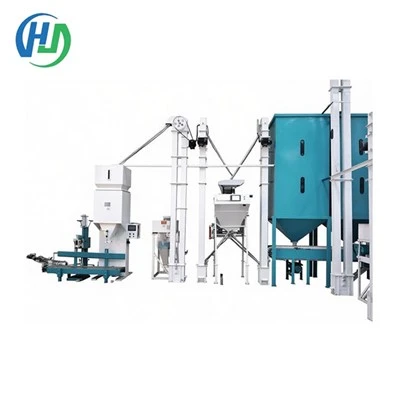
Despite these limitations, bucket elevators remain one of the most efficient and reliable methods of vertical material transportation in many industries. At our company, we understand the importance of addressing these limitations to provide our customers with the best – possible solutions. We offer a wide range of bucket elevator models, each designed to mitigate these limitations as much as possible. Our engineering team can customize the elevator according to the specific requirements of the material, capacity, and operating environment.
Grain Dryer If you are facing challenges in vertical material transportation or are considering purchasing a bucket elevator, we invite you to get in touch with us for a detailed consultation. Our experts are ready to discuss your needs and provide you with a comprehensive solution that meets your specific requirements. Don’t let the limitations of bucket elevators hold back your production efficiency. Contact us today to explore how our advanced bucket elevator solutions can work for you.
References
- "Bulk Solids Handling and Storage" by J. K. Mills
- "Conveyor Equipment Manufacturers Association (CEMA) Standards"
- Industry whitepapers on bucket elevator technology and applications.
Henan Huinong Machinery Co., Ltd.
Henan Huinong Machinery Co., Ltd. is one of the most professional bucket elevator manufacturers and suppliers in China, featured by quality products and low price. Please rest assured to buy discount bucket elevator from our factory. We also accept customized orders.
Address: No. 6, Northeast Corner of the Intersection of Renmin Road and Zhujiang Road, New District, Huaxian County, Henan Province
E-mail: frank.tang@huinongmachinery.com
WebSite: https://www.huinongmachinery.com/
