Hey, I’m gonna cut to the chase here—if you’re in the game of UPVC pipe fittings, whether you’re a plumber slapping together a residential bathroom line or a contractor wrapping up a commercial plumbing job, picking the wrong glue is like buying a high-end bike and using gum to hold the chain on. It sounds trivial, but boom—next thing you know, you’re unclogging a leak under a sink at 2 a.m. instead of bingeing your show. I’ve been in the UPVC fittings supplier game for years, so I’ve seen every glue fail story imaginable—from a backyard pool that leaked all summer because someone grabbed the wrong PVC cement, to a apartment building’s main line that started dripping three days after installation. Let’s break this down like we’re grabbing a coffee and walking through the shop: no fancy jargon, just the stuff that actually works. UPVC Pipe Fittings
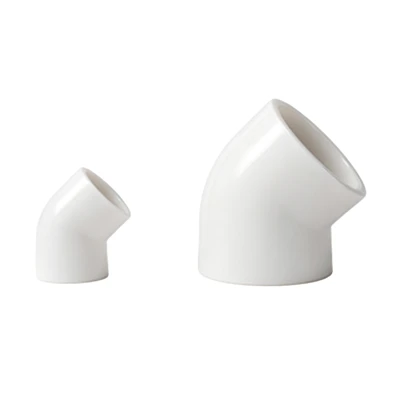
First, let’s get one thing straight: UPVC isn’t regular PVC. I know, I know—they look similar, both that pale gray rigid plastic. But mixing glue meant for plain PVC (the kind used for drain lines that don’t carry potable water) with UPVC (the stuff for drinking water pipes, pressure lines, especially for cold water) is a fast track to trouble. Wait, why? UPVC has a different chemical makeup—it’s formulated to be food-safe for potable water, has a higher impact resistance, and its surface is a little denser than regular unplasticized PVC. Glue is basically a solvent that melts the plastic’s surface so the two pieces fuse into one, not just stick together. If you use the wrong solvent, it won’t melt the UPVC enough—you’ll get a weak seam that cracks under pressure, or worse, the glue will leach into your water. That’s a big no-no if you’re dealing with a home’s drinking water line.
Okay, so step one: confirm you need UPVC-specific cement, not the stuff labeled “PVC cement” that’s generic. Now, when you’re standing in the hardware aisle or scrolling through your supplier’s catalog, you’ll see a bunch of labels: “medium bodied,” “fast set,” “low VOC,” “potable water approved.” Let’s unpack those, because choosing based on color alone (say, the blue vs. gray tube) is a trap—trust me, I’ve had customers bring back the bright blue “pressure line” glue because it didn’t work on their UPVC drain, which is totally my bad for not clarifying earlier.
Let’s start with viscosity, because that’s make-or-break. Medium bodied cement is the workhorse 9 times out of 10. It’s thick enough to not drip off vertical joints while you’re pushing them together, but not so goopy that it gets messy and leaves gaps. I usually recommend this for most residential jobs—bathroom lines, kitchen sinks, small outdoor hose bibs—you know, the stuff where you’re not dealing with super high pressure. Then there’s low bodied (thin) cement—why would you ever use that? Only if you’re working with really small fitting connections, like ½-inch pipes, where the narrow space needs a thinner solvent to seep all the way in. But if you try using thin cement on a 2-inch pipe, half of it’ll run out before you can push the fitting on, so you’ll have a dry seam. On the flip side, heavy bodied cement is for big, high-pressure lines—like 4-inch water mains on a commercial building. It’s thick enough to stay in the joint while you’re aligning the pipe, so you don’t have to hold it for 10 minutes straight. That’s a lifesaver when you’re crawling under a building and your hands are covered in grime.
Next, set time. This is another point where I see people mess up all the time. Fast set cement sounds great—“set in 10 minutes, use in an hour!”—but hold on. That’s only for small, low-stress joints. If you’re joining a 3-inch UPVC pipe for a sprinkler system that’ll get hit with 40 PSI of pressure, fast set might not give the solvent enough time to fully fuse the plastic. You’ll get a seam that’s strong enough for a drip, not for actual pressure. Regular set (20-30 minutes to set) is the sweet spot for most jobs. It gives the solvent time to etch the UPVC surface properly, so the bond is way stronger. Yeah, you have to hold the joint a little longer, but I’d rather wait an extra 15 minutes than redo a line in a month because it burst. Pro tip: don’t rush the “cure” time, either. The set time is when it’s hard enough to move the pipe, but the full cure time (usually 24 hours for pressure lines) is when it’s at max strength. I once had a contractor call me panicking because his 6-inch main line burst the day after installation—he used fast set and turned on the water 12 hours later. Oops.
Now, the big one: potable water approval. If your UPVC pipe is carrying drinking water, this is non-negotiable. Any glue that’s NSF/ANSI 61 approved is what you need. This means the glue’s ingredients won’t leach into the water, so it’s safe for humans to drink. I’ve had people ask me, “Can I skip this if it’s just a garage line?” No, even if it’s for a hose bib that connects to your house’s water, that’s still potable. The last thing you want is a bunch of weird chemicals dripping into your morning coffee. And don’t fall for the “low VOC” label thinking it’s the same as potable—low VOC means it’s less smelly, but not necessarily approved for drinking water. Double check that NSF stamp, it’s worth the 10 extra bucks for a tube.
Wait, let’s talk about what to avoid, because there are some common missteps that even experienced guys make. First, never use cement on a dirty UPVC surface. If there’s dust, grease, or water on the pipe or fitting, the solvent can’t etch the plastic. I always tell installers to wipe the ends with a clean rag (not a greasy shop towel) and a little isopropyl alcohol if they’re working in a dusty area. Even a tiny spot of dirt can create a weak point. Second, don’t mix old glue with new. If your cement tube is expired (most have a 12-18 month shelf life once opened), it’ll dry out and won’t melt the plastic properly. I keep a calendar in my shop for when I open a new tube—if it’s over a year old, toss it, even if it still looks liquid. Third, don’t use UPVC glue for anything else. I’ve seen people use it to glue a broken plastic fence post, and it doesn’t work because that’s not the right solvent for different plastics. Stick to what’s made for UPVC.
Let’s run through a quick example scenario to put this all together. Say you’re renovating a guest bathroom at a rental property. You’re joining ½-inch UPVC pipe for the sink drain and the cold water line. What do you grab? Medium bodied, regular set, potable water approved UPVC cement. That’s it. If you’re working on a commercial irrigation line with 3-inch pipes, you’d go with heavy bodied, regular set (or even slow set, if you need more time to align big pipes), and make sure it’s approved for pressure lines. If you’re repairing a small ¼-inch drain line in a laundry room, thin bodied might work, but make sure it’s still UPVC-specific.
Now, here’s the thing—every job’s a little different, and if you’re still not sure which glue to pick, just reach out. I don’t mind walking a customer through this over a quick call, or even meeting them at the job site to look at the pipes they’re working with. As a UPVC pipe fittings supplier, my job isn’t just to sell you parts—it’s to make sure those parts work when you need them. I’ve seen too many jobs go south because someone picked the wrong glue, and I’d rather help you avoid that hassle. If you’re working on a project, just send me a note, tell me what kind of line it is (drinking water, drainage, pressure), what size pipes and fittings you’re using, and I’ll hook you up with the right glue, plus a little tip on how to apply it correctly. No weird sales pitches, just straightforward advice that’s saved my customers hundreds (if not thousands) in repair costs.
At the end of the day, choosing the right glue for UPVC isn’t rocket science—it’s just matching the cement to the job, checking the labels, and not rushing the process. Skip the shortcut of grabbing a random tube from the hardware bin, take 5 minutes to confirm you’ve got the right stuff, and your pipes will hold up way longer. If you need help picking, don’t hesitate to connect with us for a quick chat. We’re here to make sure your projects go off without a leak.
UPVC Pipe Fittings References
ASTM D3138 – Standard Specification for Adhesives for Solvent Cementing Unplasticized Polyvinyl Chloride (UPVC) Pipe and Fittings for Pressure Applications
NSF/ANSI Standard 61 – Drinking Water System Components – Health Effects
Plastic Pipe & Fittings Association (PPFA) – UPVC Installation Best Practices Guide
Anhui Weidong Pipeline Technology Co., Ltd.
As one of the most professional UPVC pipe fittings manufacturers and suppliers in China, we have world-leading production equipment and strong manufacturing capabilities. Please feel free to buy high quality UPVC pipe fittings at competitive price from our factory. Welcome to contact us for quotation.
Address: No. 35 Hongyuan Avenue, Economic Development Zone, Huoshan County, Lu’an City, Anhui Province
E-mail: 18056040225@163.com
WebSite: https://www.wdpipe.com/
